Dependable Auto Repair: Preserving Your Vehicle in Peak Condition
A dependable auto repair service plays an essential role in maintaining a vehicle's performance and durability. Routine upkeep helps detect issues early, avoiding costly repairs down the line. Choosing the right mechanic can significantly impact the quality of service and care a vehicle gets. Comprehending fundamental services and the significance of proactive upkeep is vital for every vehicle proprietor. What are the main signs that a vehicle needs attention, and how can one guarantee they are choosing wisely?
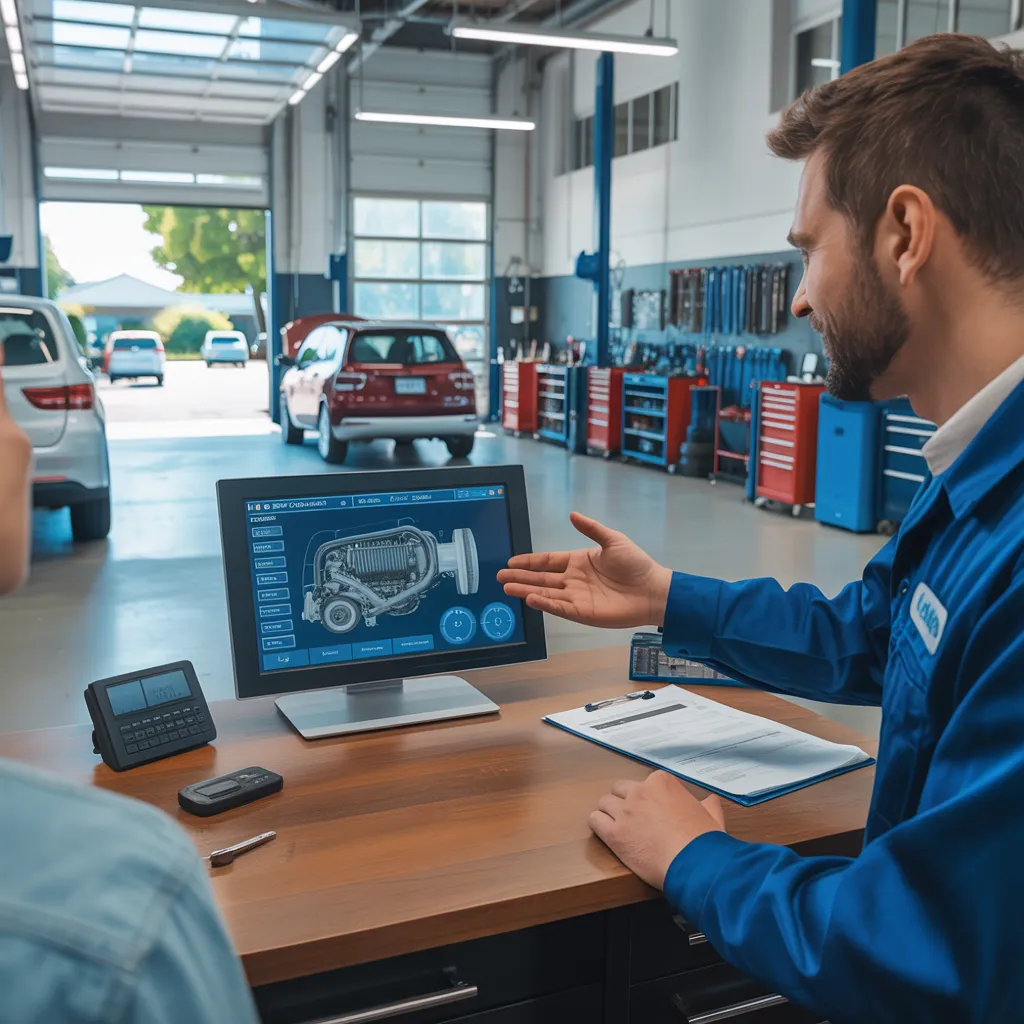
Why Consistent Care Is Critical for Your Car
Maintaining a vehicle regularly is crucial as it not only lengthens the lifespan of the car but also provides peak performance. Routine checks including oil changes, tire rotations, and brake inspections help detect potential problems before they escalate to costly repairs. A well-maintained vehicle functions more efficiently, resulting in better fuel economy and lowered emissions. Furthermore, regular servicing ensures that safety features work properly, protecting both the driver and passengers.
Overlooking maintenance can trigger substantial complications, frequently generating breakdowns or lowered consistency. By maintaining a organized service schedule, car owners can preserve their investment and strengthen secondary market value. Moreover, many manufacturers require periodic service to maintain warranty protection. Ultimately, prioritizing maintenance cultivates a safer driving experience while fostering longevity and productivity, making it a necessary practice for every vehicle owner.
Signs Your Vehicle Requires Immediate Repair?
If a car manifests unusual noises when driving, it could denote a serious issue that necessitates prompt response. Likewise, caution indicators that are illuminated on the dashboard deliver essential notices regarding potential problems. Liquid drips observed under the automobile equally suggest the requirement for expedient maintenance to avert expanded deterioration.
Unusual Noises While Operating Your Vehicle
In what methods can drivers determine if their car is in distress? One vital indicator is the presence of strange noises while operating. These noises typically signal underlying issues that require immediate attention. As an example, a squeaking or grinding noise may indicate brake issues, while a knocking sound might suggest engine trouble. A high-pitched whistle could point to transmission or serpentine belt problems. Drivers must also listen for any rumbling or thumping, which may denote tire or suspension issues. Disregarding these noises can lead to more severe damage and expensive repairs. Therefore, it is vital for drivers to stay vigilant and obtain professional assistance when they notice any abnormal sounds during their journeys.
Warning Lights Activated
Warning lights displayed on a vehicle's dashboard work as vital signals of possible problems that require prompt action. Each light communicates vital details about the vehicle's condition, spanning from minor concerns to serious malfunctions. For instance, the check engine light may suggest problems with the engine or emissions system, while the oil pressure light signifies a drop in oil pressure, possibly causing to engine damage. Other lights, such as those for the battery or brakes, can alert to immediate maintenance that, if ignored, might threaten safety. Drivers should not overlook these warnings; timely diagnostics and repairs can avoid further damage and guarantee the vehicle operates efficiently. Recognizing and responding to these alerts is critical for preserving a dependable and secure vehicle.
Fluid Dripping Beneath The Vehicle
Fluid seepage underneath a car often signal that immediate attention is necessary. Identifying the type of fluid can offer insight into the seriousness of the issue. Typical leaks consist of oil, coolant, brake fluid, and transmission fluid, each signaling different issues. For example, an oil leak may indicate worn seals or seals, while coolant leaks could suggest a damaged radiator or hoses. Brake fluid leaks are particularly concerning, as they can put at risk vehicle safety. Drivers should check any puddles or stains, noting color and consistency, to aid in diagnosis. Ignoring these leaks can lead to more significant damage and costly repairs. As such, prompt intervention is vital to ensure the vehicle runs safely and effectively.
How to Select the Right Mechanic for Your Needs
Selecting the appropriate mechanic might feel overwhelming; nonetheless, making an educated decision is vital for vehicle maintenance and repair. To start, one should look for recommendations from friends, family, or online reviews, as personal experiences often provide valuable insights. Reviewing a mechanic’s credentials is essential; certifications from recognized organizations signify a level of expertise and professionalism.
Next, potential customers should evaluate the shop's specialty. Some mechanics concentrate on particular vehicle makes and models, which can boost the quality of service. A trip to the shop can also display its organization, tidiness, and client interaction methods, all of which indicate the general standard of service.
Finally, requesting quotes for work can help determine fair pricing. Building a solid rapport with a mechanic may result in a trustworthy long-term relationship, ensuring that vehicle needs are met efficiently and effectively.
Vital Services Presented by Established Auto Repair Shops
While many vehicle repair facilities provide a variety of services, reputable ones usually provide vital maintenance and fix options that maintain vehicles running smoothly. These services often encompass routine oil changes, which are essential for engine condition, and tire rotation services, ensuring even wear and prolonging tire lifespan. Reputable shops also perform thorough examinations, identifying possible problems before they escalate into costly repairs.
Brake upkeep are indispensable, as they maintain performance and safety, while battery replacements and checks avert sudden mechanical failures. Additionally, radiator and cooling system maintenance prevents overheating, a common issue in many vehicles. Trusted auto repair shops also provide transmission repair and services, vital for smooth gear shifts.
In conclusion, they commonly offer diagnostic evaluations leveraging advanced systems to pinpoint issues reliably. By extending these essential services, reputable auto repair shops offer substantial value to vehicle longevity and consistency, fostering customer trust and satisfaction.
Tips for Keeping Your Auto's Operation
Preserving a vehicle's performance requires attention to key components, such as regular oil changes and tire maintenance. Consistent oil changes ensure the engine operates smoothly, while proper tire care improves safety and fuel efficiency. Together, these practices play a major role in the longevity and reliability of any vehicle.
Regular Oil Changes
Frequent oil changes are vital for peak vehicle performance, as they confirm the engine performs smoothly and efficiently. Engine oil protects internal components, reducing friction and wear. Over time, oil becomes polluted with dirt and debris, reducing its effectiveness. Neglecting oil changes can lead to increased engine wear, overheating, and potential damage. Most manufacturers recommend changing the oil every 3,000 to 7,500 miles, depending on the vehicle and oil type. Regularly checking oil levels and quality is also important. Using the correct oil grade specified in the owner's manual confirms ideal performance. By adhering to a methodical oil change schedule, vehicle owners can sustain engine life, enhance fuel efficiency, and maintain overall vehicle reliability.
Tire Service Guidelines
Proper tire maintenance is important to maximize vehicle performance and safety. It is necessary to frequently check tire pressure; under-inflated tires can cause reduced fuel efficiency and greater tire wear. Maintaining adequate tread depth is equally important, as worn tread can weaken traction and handling. Rotating tires between 5,000 and 7,500 miles encourages even wear, which extends their lifespan. Visual inspections for damages such as cracks or bulges should be routinely performed. Wheel alignment assists in check now preventing uneven wear and enhancing steering response. Balancing tires removes vibrations, ensuring a smoother ride. By following these tire maintenance recommendations, vehicle owners can markedly improve performance and safety on the road.
How Routine Maintenance Influences Automotive Maintenance
Preventive maintenance is a cornerstone for the durability and dependability of vehicles, greatly influencing the requirement of auto repair. Regularly planned services, including oil changes, tire rotations, and brake inspections, help identify potential issues before they turn into costly repairs. By following a preventive maintenance schedule, vehicle owners can reduce the chances of unexpected breakdowns and prolong the durability of critical components.
Additionally, preventive maintenance enhances the car's overall performance and fuel efficiency, leading to a more comfortable ride. Neglecting these critical maintenance tasks can lead to greater mechanical problems, resulting in prolonged inactivity and higher repair costs. In summary, a preventative strategy to car maintenance not only ensures protection but also promotes long-term savings, making preventive maintenance an indispensable component of accountable car ownership.
Preparing Yourself to Expect During Auto Maintenance
After emphasizing routine upkeep, vehicle owners may sometimes find themselves requiring auto repairs. During the service procedure, multiple key steps are typically involved. Initially, the technician will perform a thorough inspection to diagnose the issue, identifying the underlying problem of the problem. Following this, the repair shop will give an estimate, outlining necessary repairs and parts required, guaranteeing transparency in costs.
Once authorization is provided, the service expert will proceed with the maintenance work, which may require part substitution, fixing systems, or performing adjustments. Throughout this stage, communication remains paramount; many shops will present updates on progress and any unexpected setbacks.
Upon completion, car owners should expect a comprehensive breakdown of the work performed, accompanied by suggestions for future maintenance. This ensures that the automobile stays in top condition, enhancing reliability and efficiency. Understanding this process can alleviate doubt and foster trust between the proprietor and the repair shop.
Frequently Asked Questions
What interval proves best for turning My Tires?
Tires should commonly be moved every 5,000 to 7,500 miles, or as instructed by the automaker. Ongoing rotation fosters level wear patterns, extends tire usefulness, and enhances overall vehicle stability and protection on the road.
What does a Vehicle Warranty Cover?
A car warranty usually includes material defects and workmanship issues, particular repairs, and replacement of certain parts. Protection depends on manufacturer and can encompass powertrain, bumper-to-bumper, and corrosion warranties, each with different terms and conditions.
Is It Possible to handle My Own servicing?
Yes, individuals can perform their own maintenance on vehicles. However, they should ensure they adhere to manufacturer guidelines to avoid voiding warranties. Proper knowledge and equipment are essential for secure and effective vehicle upkeep.
How Do I Know if My Power Cell Needs Replacement?
A battery may need changing if it shows indicators like slow engine cranking, terminal oxidation, fading lights, or if it's over three years old. Testing voltage can also verify its health and longevity.
What Stand as Prevalent Untruths About Auto Work?
Common myths about auto repair include beliefs that superior fuel is always better, all repairs are expensive, and OEM warranties prevent non-dealer repairs. Misunderstandings can lead to unnecessary costs and delays in sustaining vehicle performance.